How much can I cook in the Smart Kitchen Machine, and how should I size batches for consistent results
Although the Smart Kitchen Machine’s bowl may list a larger gross capacity, reliable day‑to‑day performance depends on respecting the recommended working volume, which is typically around 3 litres for mixed or liquid recipes. This headspace prevents boil‑overs, allows for vigorous mixing or kneading, and keeps the heating element and motor within safe duty limits. For soups, stews, and liquid‑based recipes, target the working volume rather than filling the bowl to the brim. For doughs and kneading tasks, follow the manufacturer’s flour/water ratio guidance; heavy doughs frequently need smaller batches to avoid motor strain and to achieve proper gluten development. When preparing large meal‑prep volumes, split the recipe into two or more batches and use the integrated scale to ensure consistent ingredient ratios between runs.
Batching strategies that preserve quality include:
(1) running multiple identical batches rather than one overloaded run to maintain even heating and texture;
(2) using the machine for sauces and sides while cooking mains elsewhere to parallelise meal prep;
(3) allowing short cooling intervals for the motor between heavy cycles as recommended in the manual.
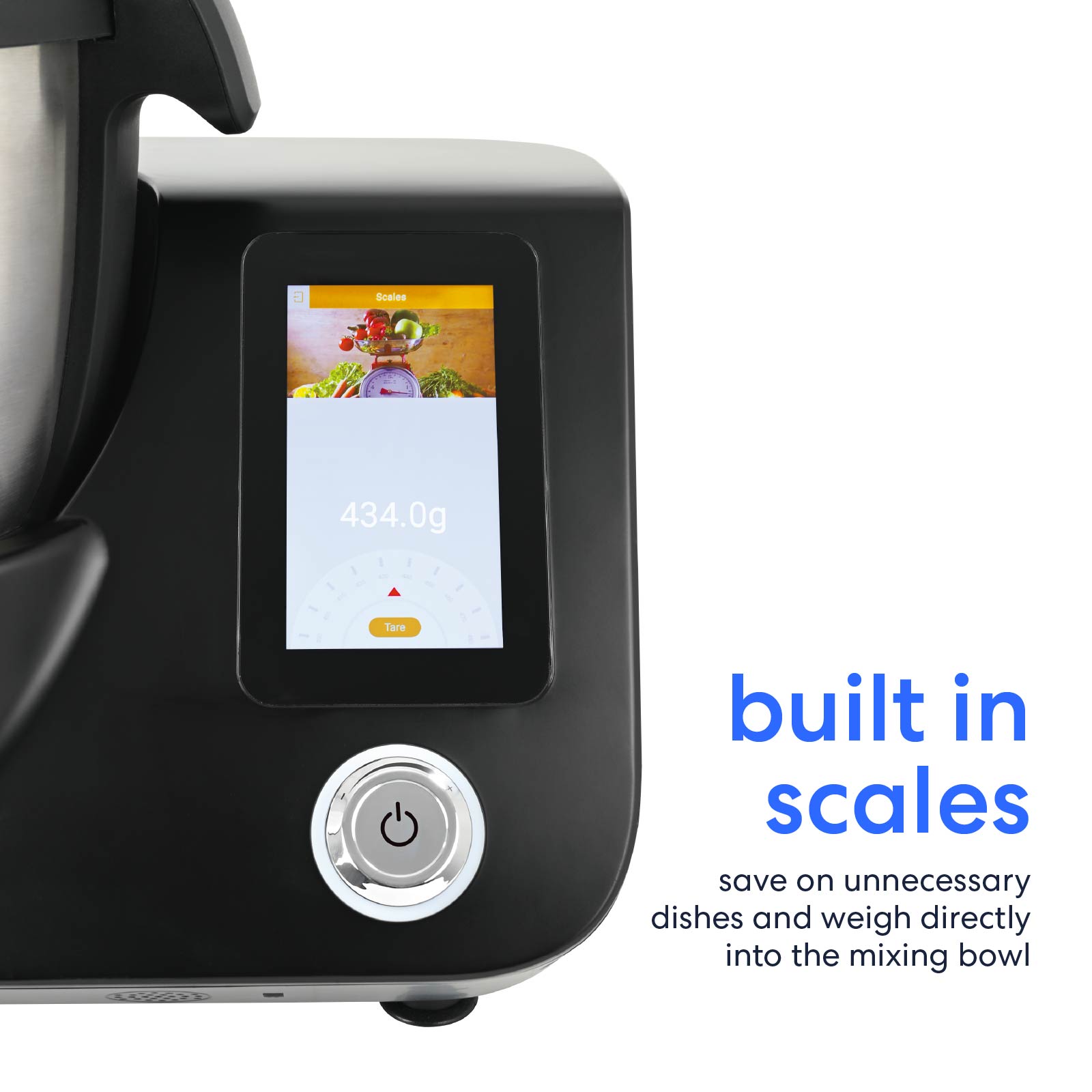
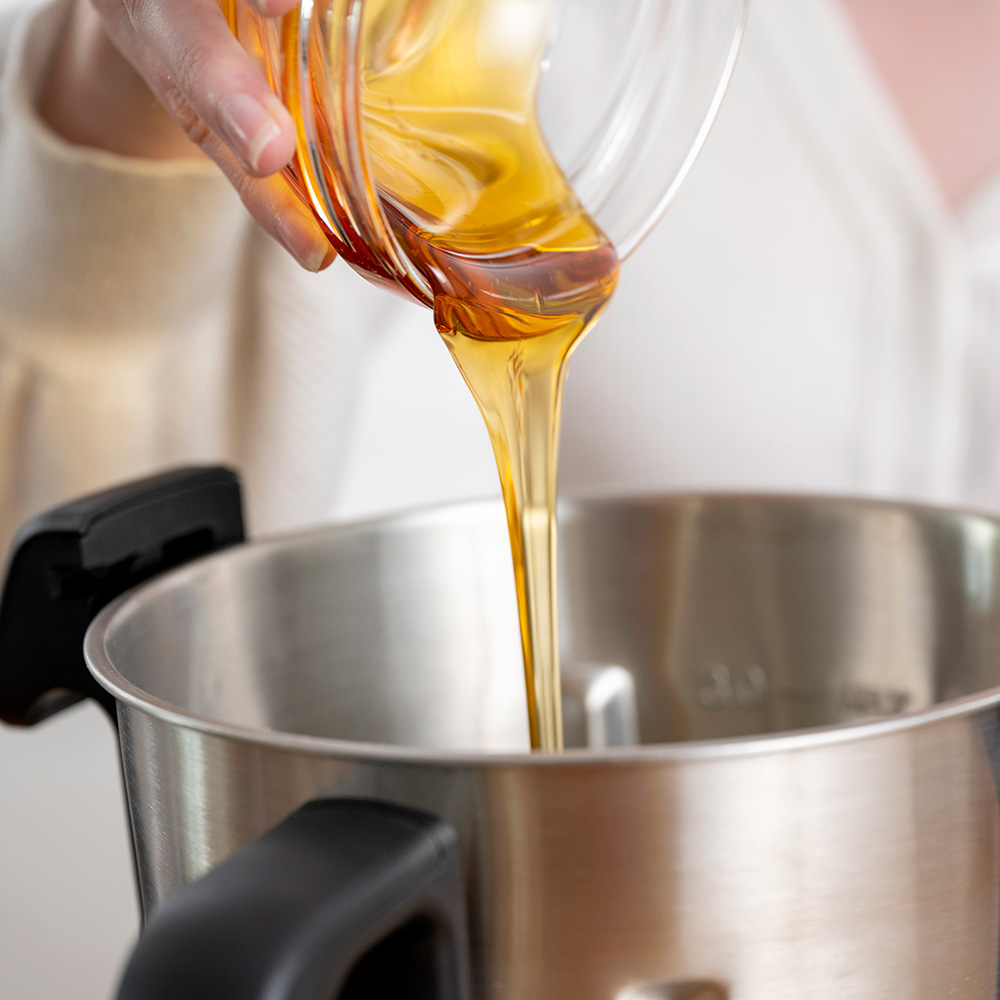
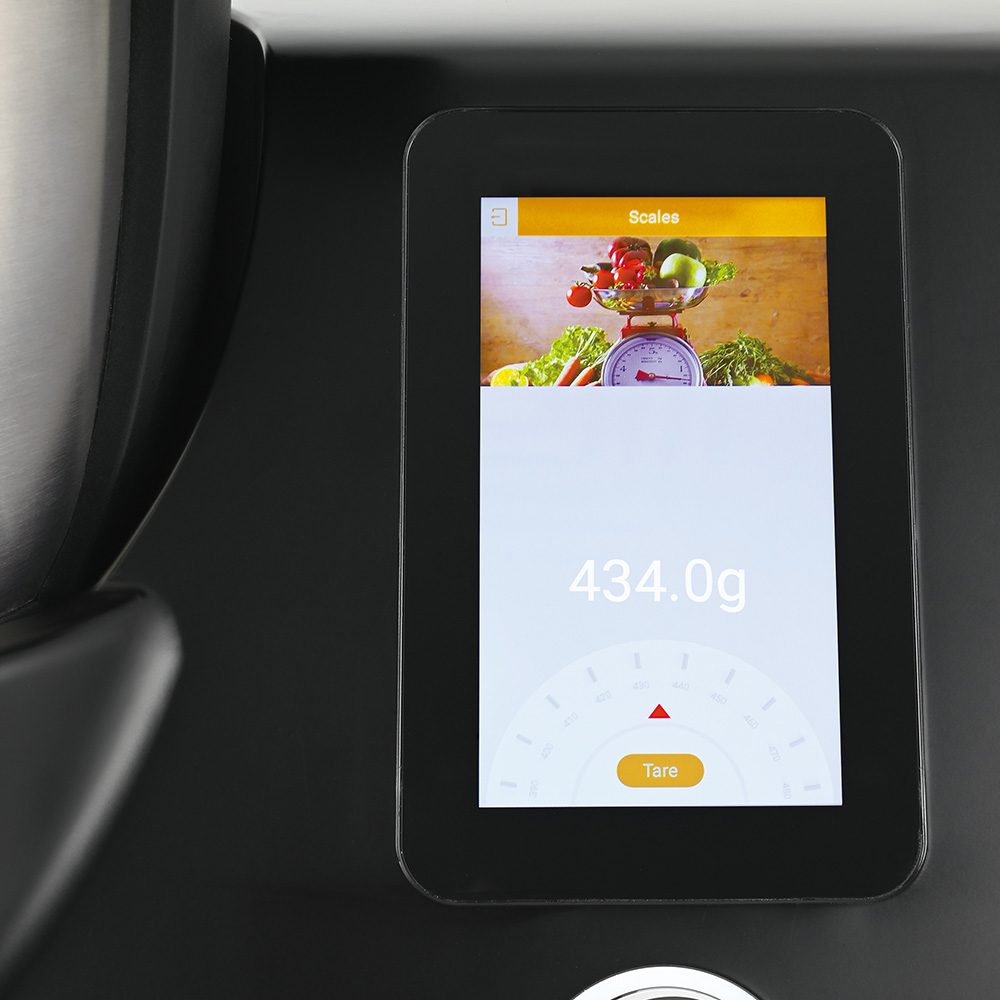
The integrated scale simplifies scaling add ingredients directly to the bowl and watch the display for accuracy. Observing these limits yields consistent results, reduces stress on mechanical parts, and keeps temperature control accurate across multi‑stage programmes.
How to set up presets, the recipe library, and manual mode work?
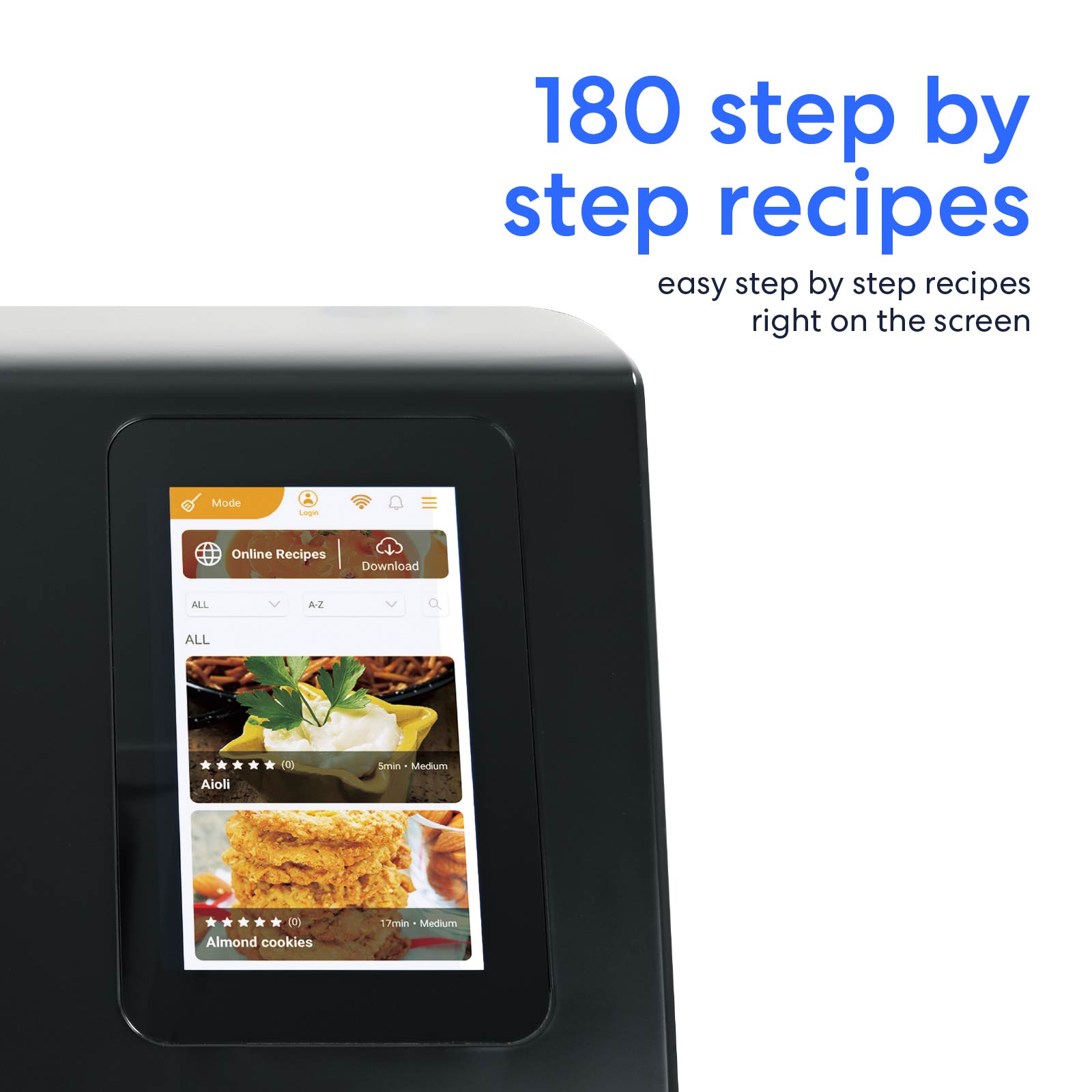
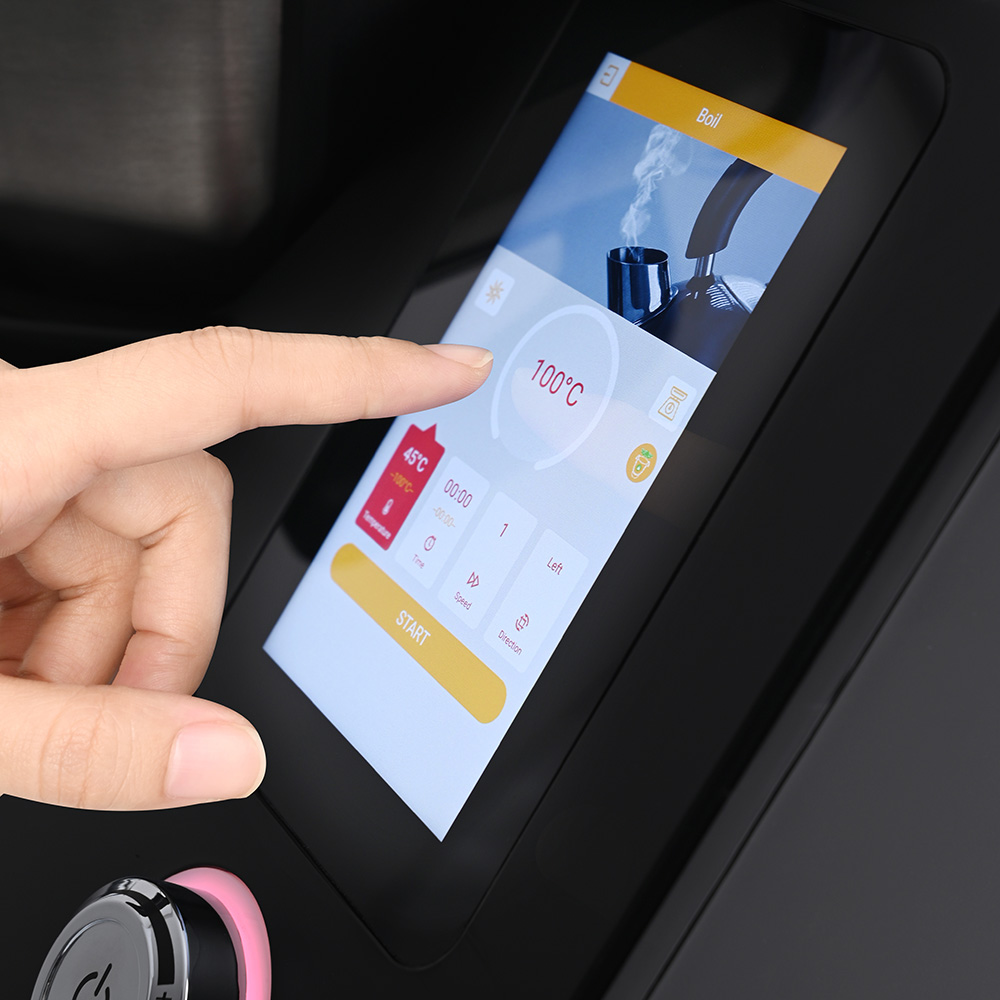
The Smart Kitchen Machine provides curated presets that combine preconfigured motor speeds, temperature curves, and timings tailored to the unit’s bowl geometry and heating characteristics. The touchscreen recipe library often includes scaling tied to the integrated scale, so selecting a recipe automatically adjusts ingredient weights and suggested programmes. Presets are ideal for users who want reliable, repeatable results without frequent tinkering: they manage transitions (e.g., sauté then simmer), stop the motor during rest phases, and prompt for manual interventions if required.
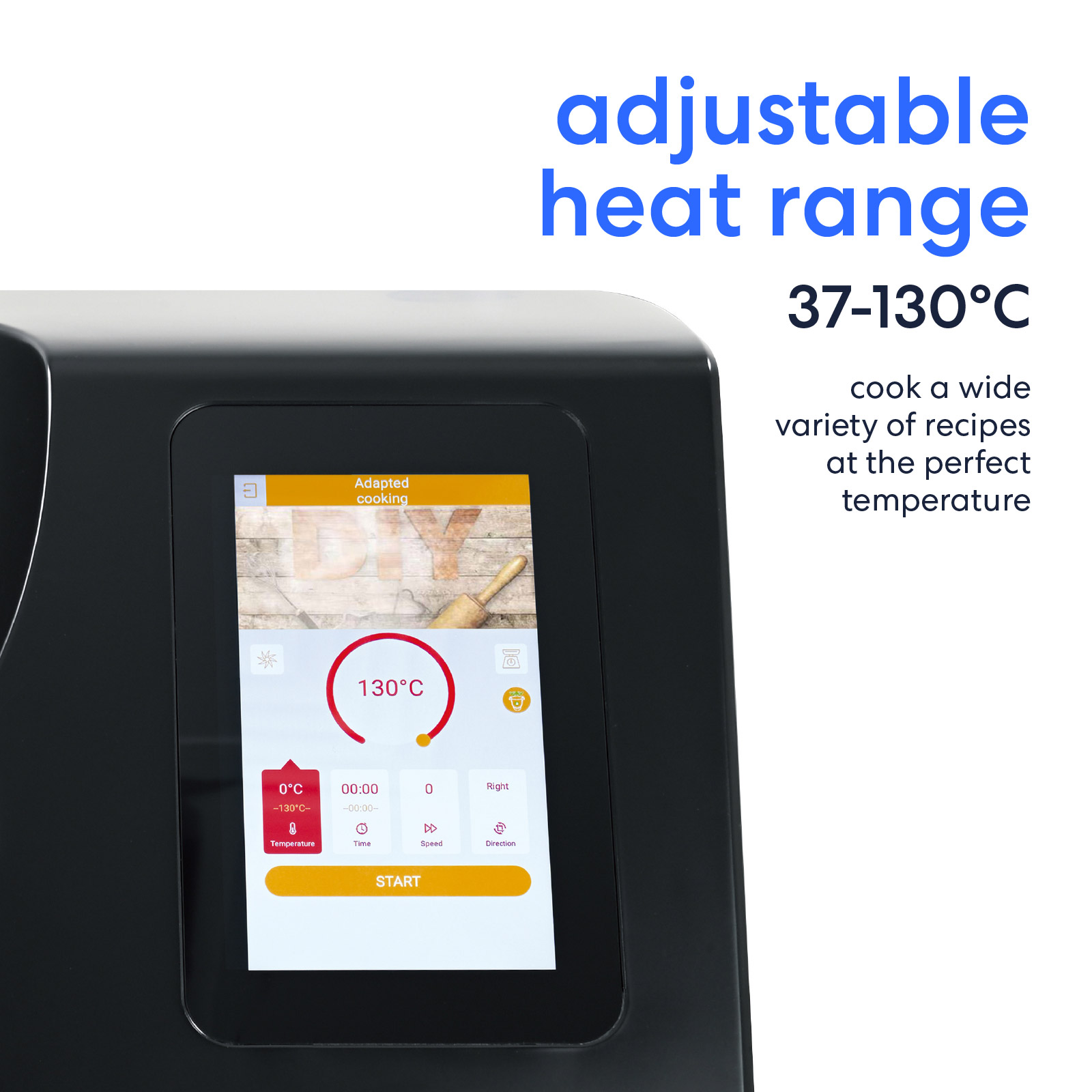
Override the presets in these situations: (1) when your total mass or density significantly differs from the recipe (very large or very small batches), (2) when using markedly different ingredient moisture/fat profiles (eg. very wet purées or high‑fat fillings), (3) for delicate preparations such as custards or tempered chocolate where you want gradual heating, and (4) during experimental recipes where you need to save a custom program for repeated use. Manual mode exposes motor speed, temperature, and time so you can custom‑engineer multi‑stage cooks; many users run a preset once, note tweaks (temperature/time/speed), then save a custom routine if the machine supports it. Always respect the duty‑cycle and motor load limits while using turbo or continuous heavy modes to avoid automatic shutdowns and preserve the warranty.
Additionally, ovens offer consistent, even heating throughout the entire space, which may allow for a more consistent quality cook. In comparison foods cooked with an air fryer may require frequent monitoring as there is only one main top heat source.
An air fryer provides the benefits of commendable results while valuing convenience and low effort, while ovens are much beneficial for individuals seeking a higher quality result while sacrificing time and requiring higher skill.
What cleaning, maintenance, and sanitising steps keep the Smart Kitchen Machine hygienic and reliable
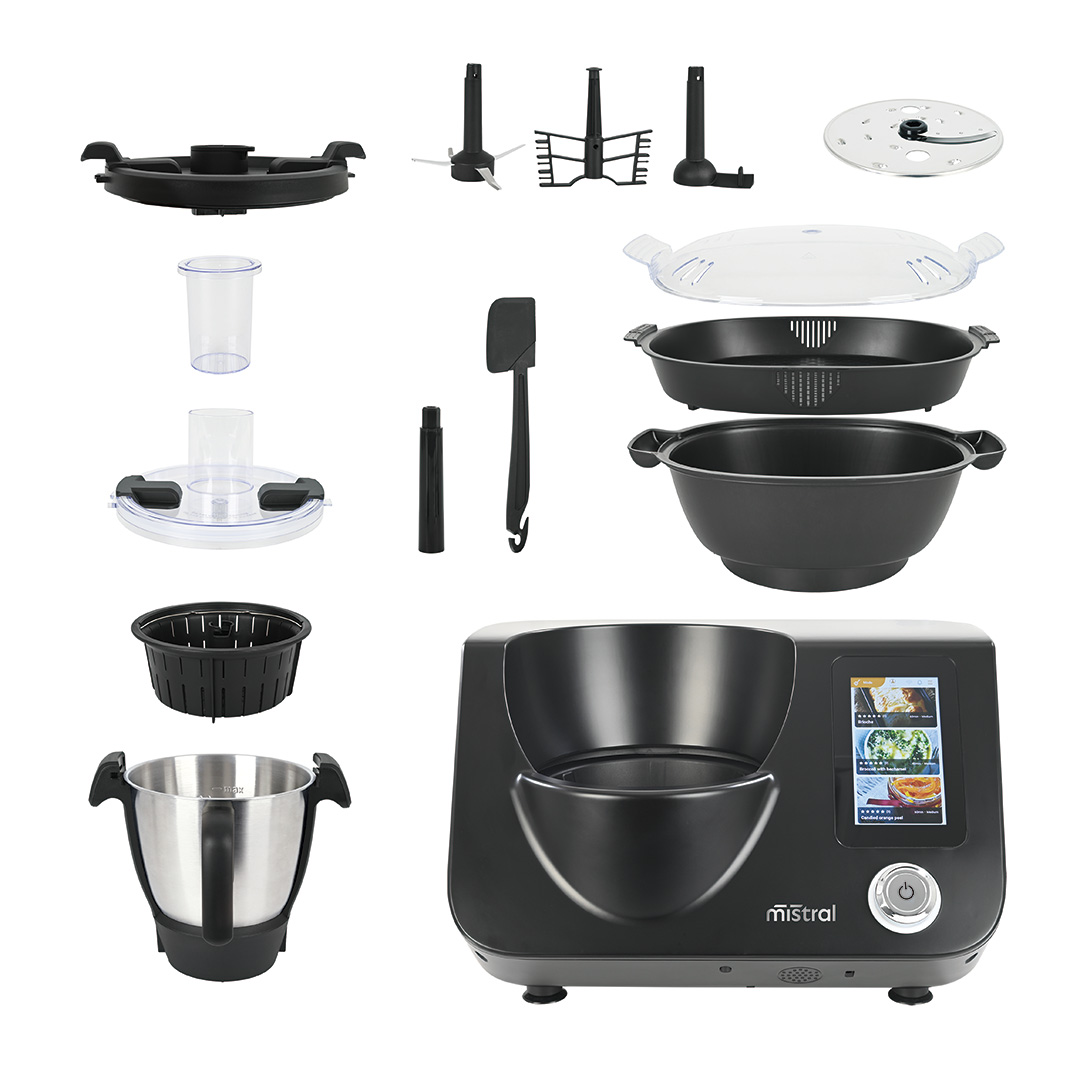
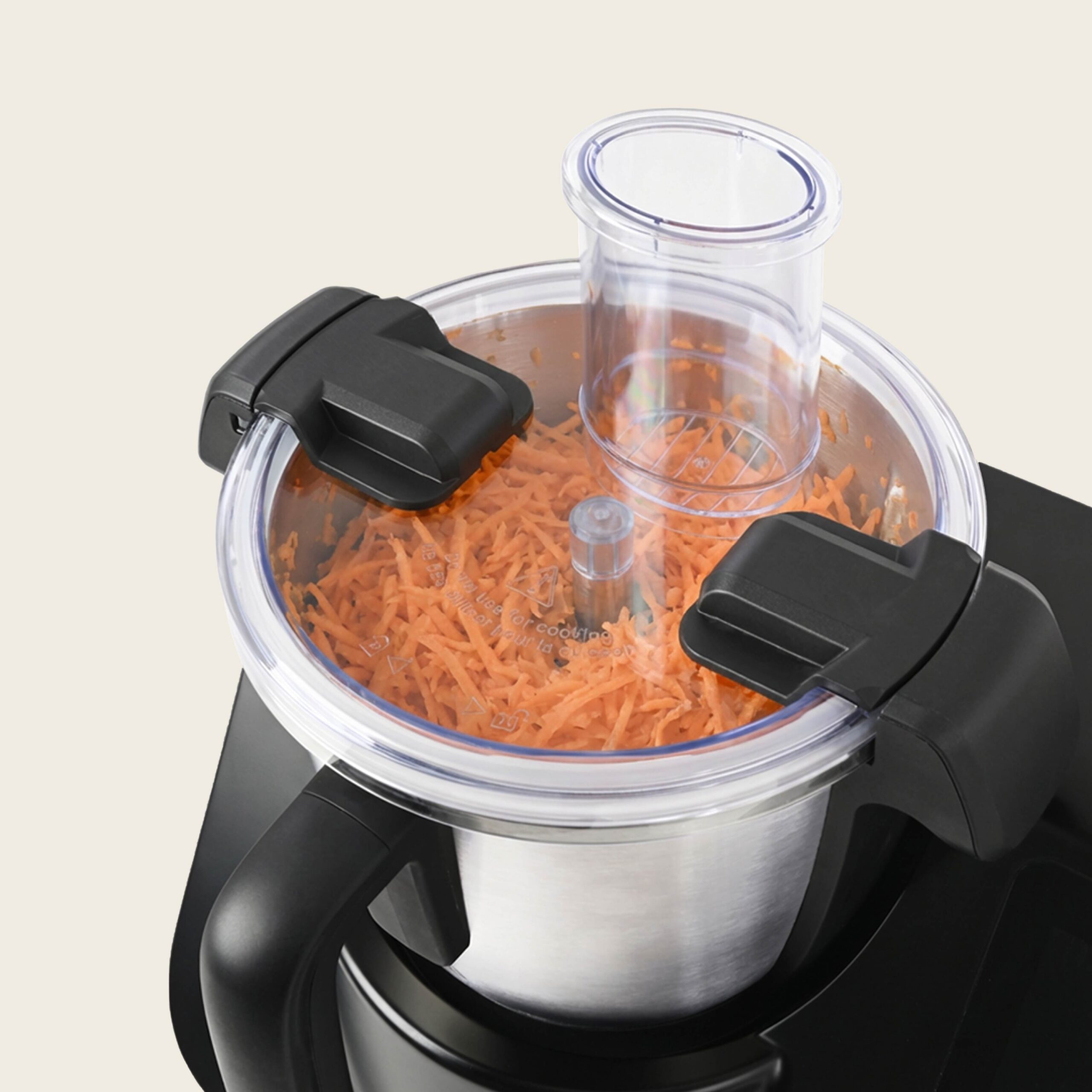
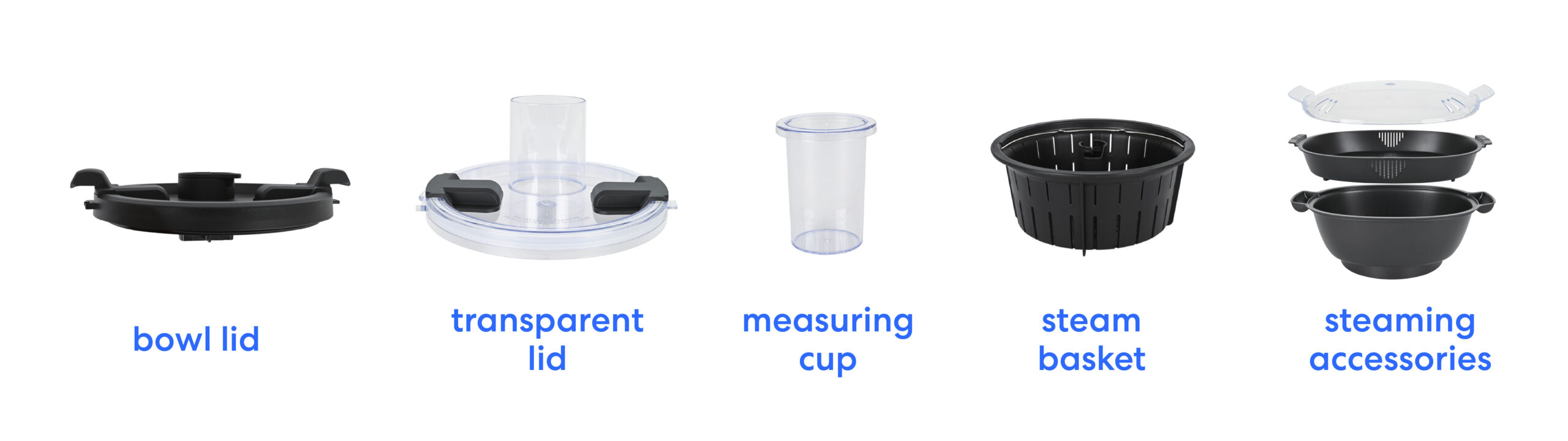
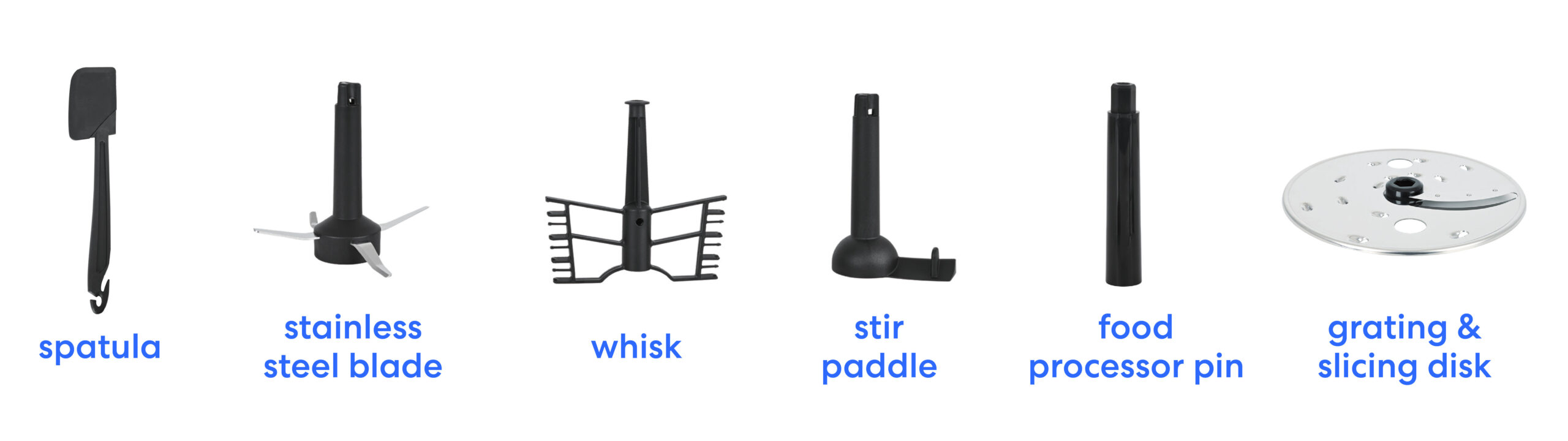
Daily care preserves performance and food safety. After each use, switch off and unplug the unit, remove the bowl, mixing tools, lid, and steam trays, and wash them in warm soapy water; place dishwasher‑safe parts on the top rack only if the manual confirms this. Thorough rinsing removes sugar and fat residues that can crystallise or become rancid. Dry parts fully before reassembling to prevent ice or odour formation. The main housing contains electrical components and is important to never submerge it or spray liquids directly onto the touchscreen or connectors; use a soft, damp cloth and mild detergent when required.
Periodic maintenance tasks include descaling steam channels or heating surfaces if you use hard water, inspecting and replacing O‑rings or seals that show wear, and checking the drive coupling and attachment points for cracks or deformation. If you prepare dairy or raw-egg-based recipes regularly, run a sanitising rinse periodically per manufacturer guidance or use a food‑safe sanitiser to reduce cross‑contamination risk. Keep firmware up to date for networked units, as updates may refine safety logic or recipe profiles. Avoid unauthorised repairs; for mechanical or electrical faults, contact authorised service to protect warranty coverage. Regular cleaning, inspection, and replacing consumable seals will keep the Smart Kitchen Machine performing predictably for years.
What common issues might I encounter, and how do I troubleshoot them safely?
Many user issues are resolved by simple checks. If the unit won’t start or displays an interlock error, confirm the bowl and lid are correctly seated with the safety interlocks preventing operation when components are misaligned. If the motor struggles, reduce batch size and verify you didn’t exceed dough or ingredient limits; excessive load can trip motor protection. For inaccurate weight readings, clean the scale area, ensure the bowl is dry and correctly seated, and recalibrate if the machine offers that function. If heating is inconsistent, check that the lid and bowl are properly positioned and that vents are free of dust; poor seating or dust on sensors can cause temperature errors.
Electrical or mechanical warning signs require caution: persistent burning smells, repeated circuit breaker trips, sparks, or continuous overheating are reasons to stop using the device immediately and contact the retailer or manufacturer. For touchscreen or firmware faults, try a power‑cycle (unplug for 5–10 minutes) and ensure the unit’s software is up to date. Do not attempt internal repairs or open sealed compartments, as this voids the warranty and can be dangerous. Keep purchase proof, serial number, and photos handy when escalating to support. Following the user manual for duty cycles and maintenance prevents most faults and ensures safe, long‑term operation.
What are the key features of the Mistral Smart Kitchen Machine, and what makes it different?
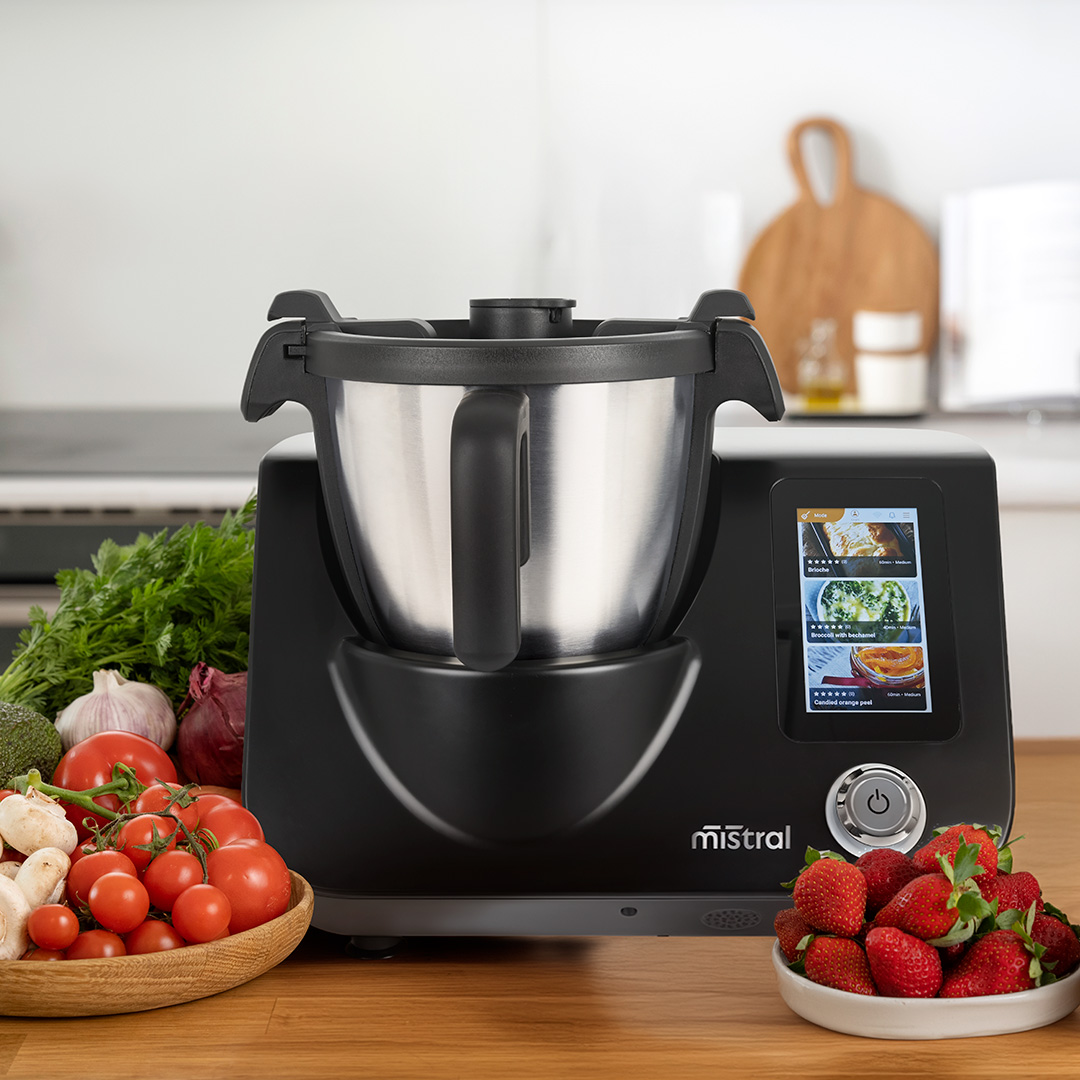
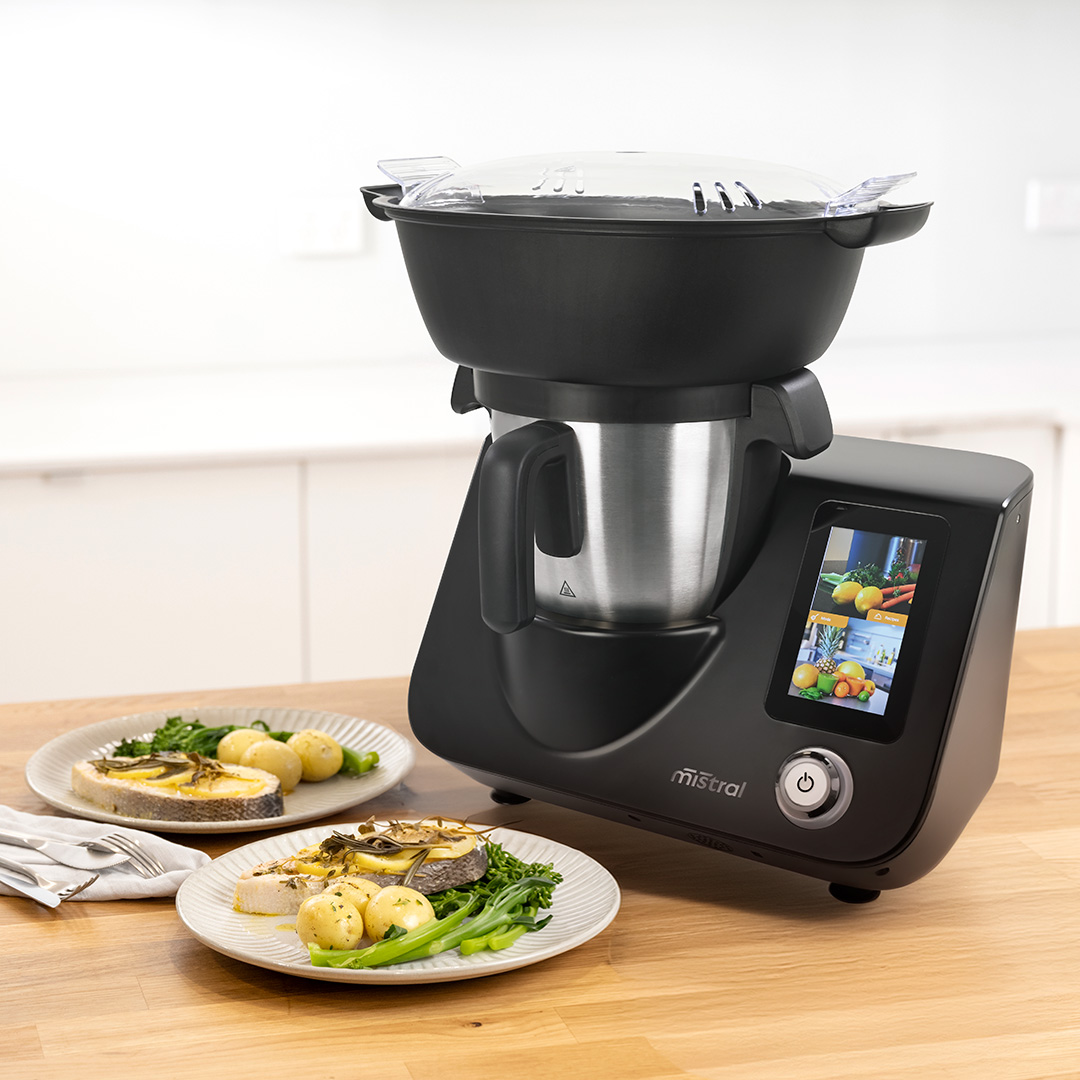
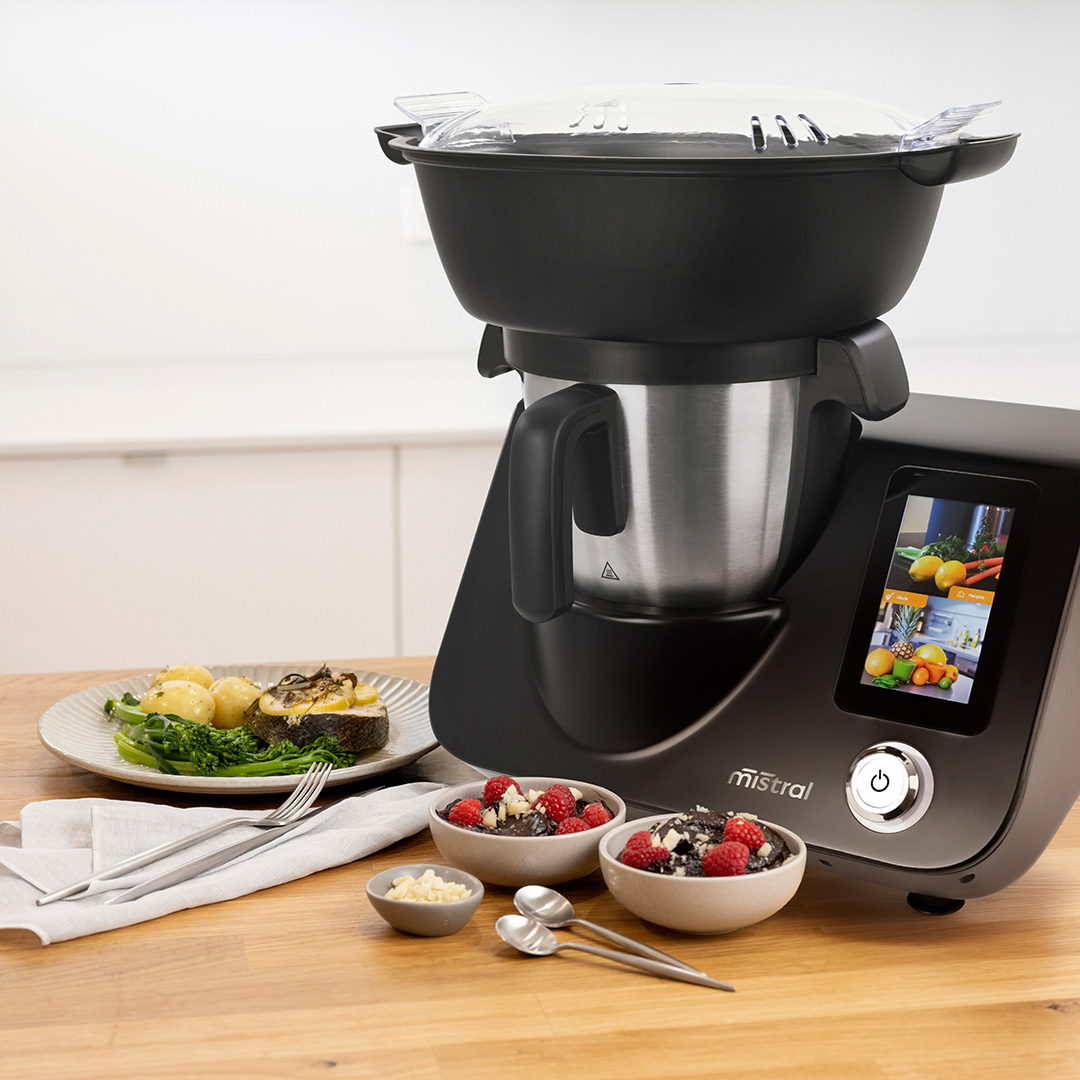
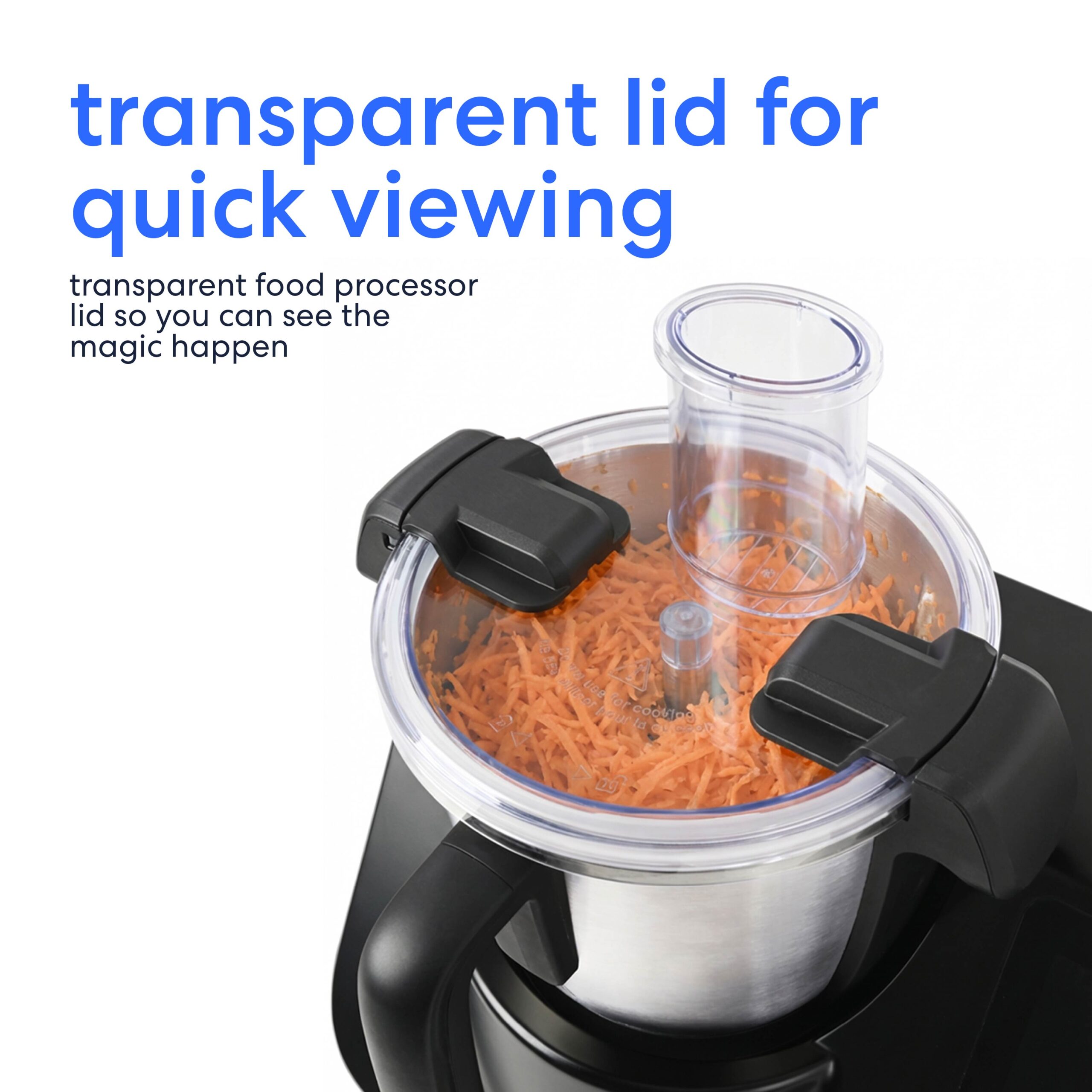
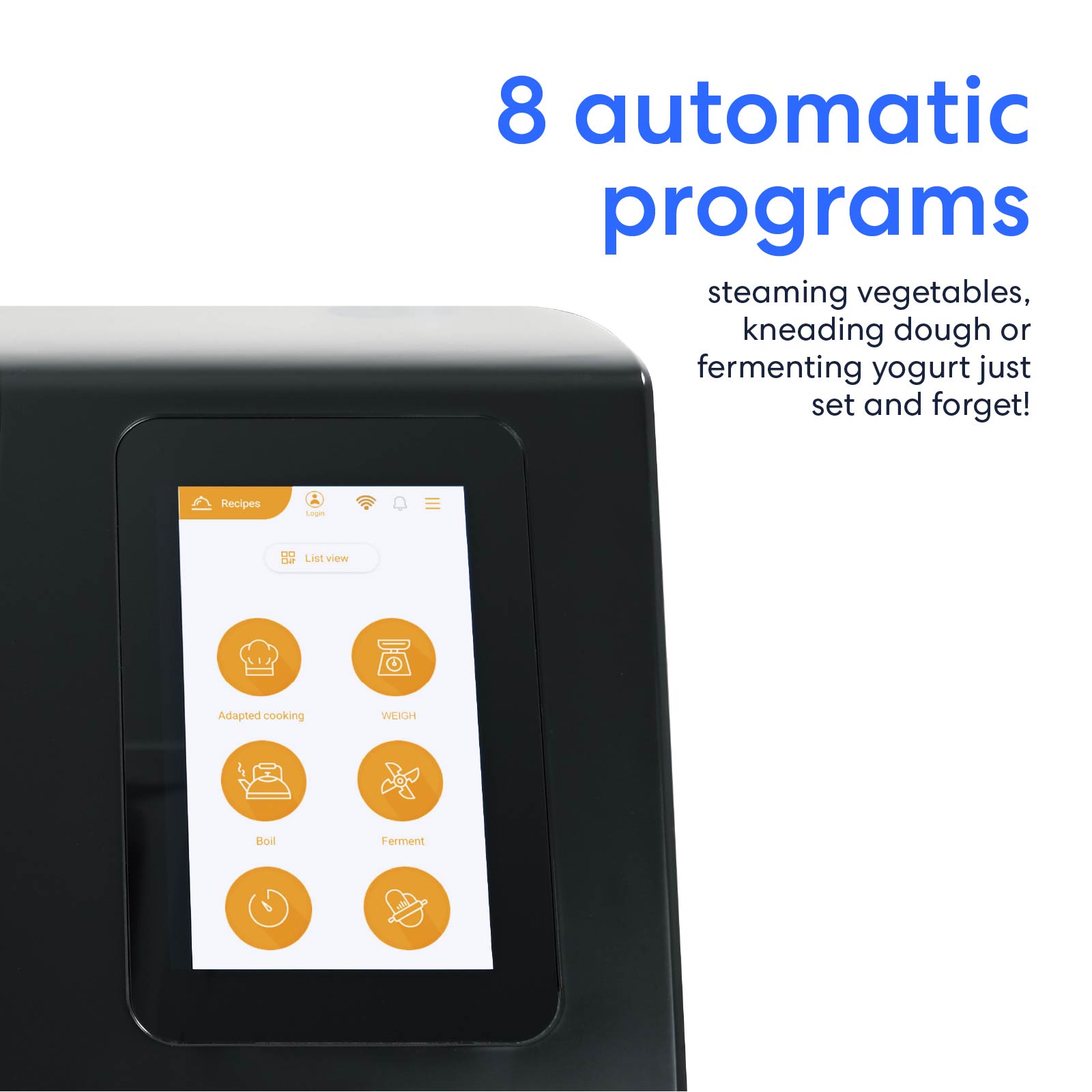
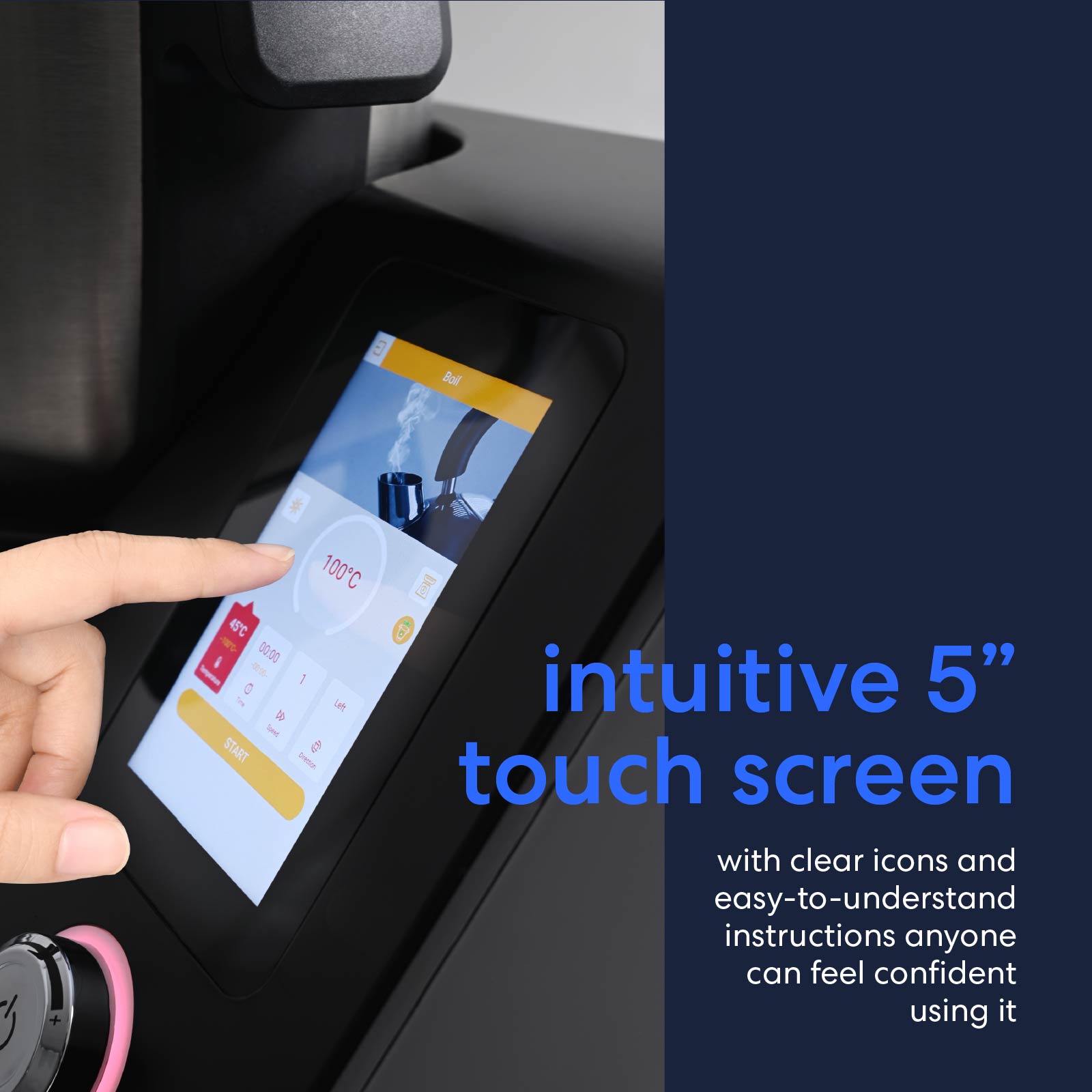
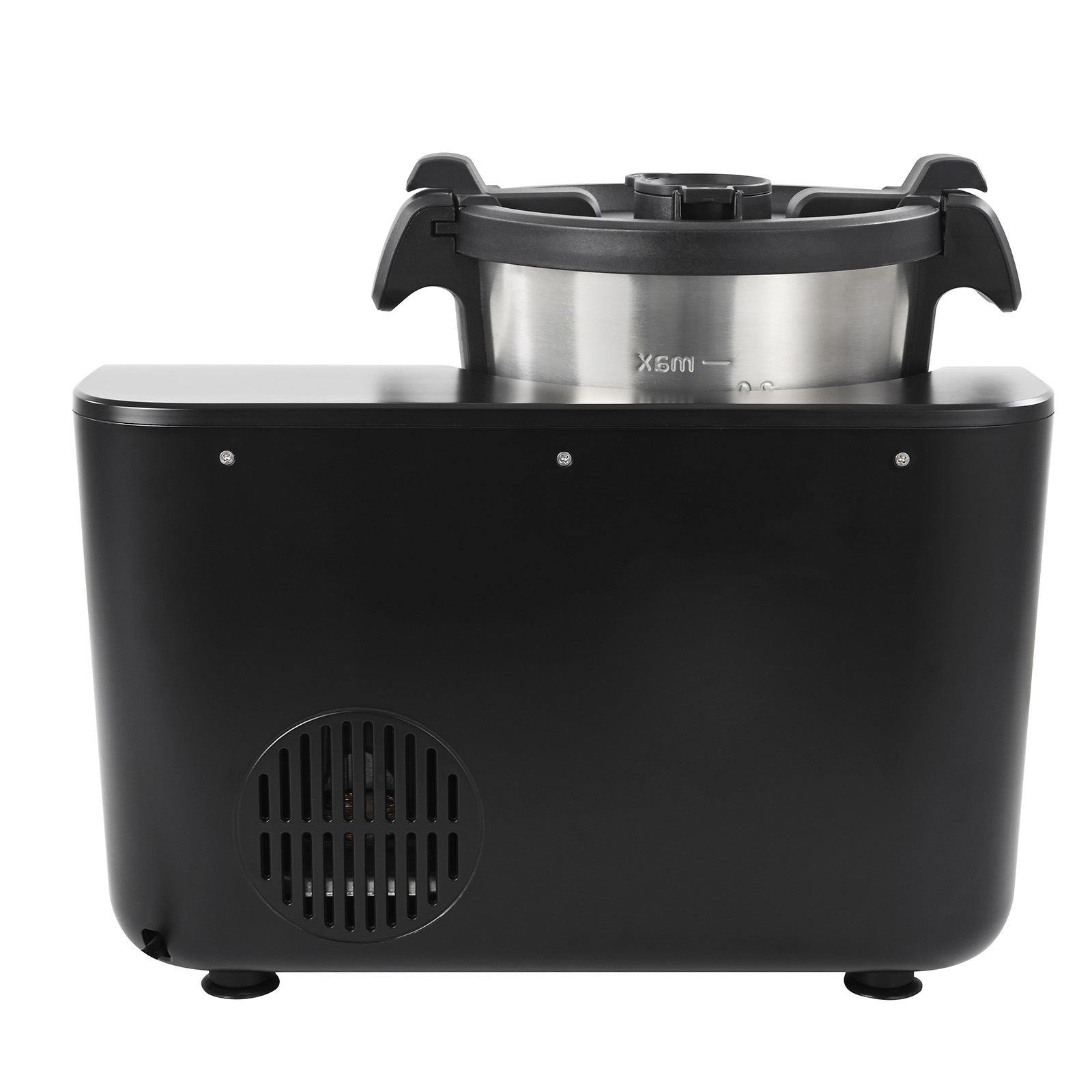
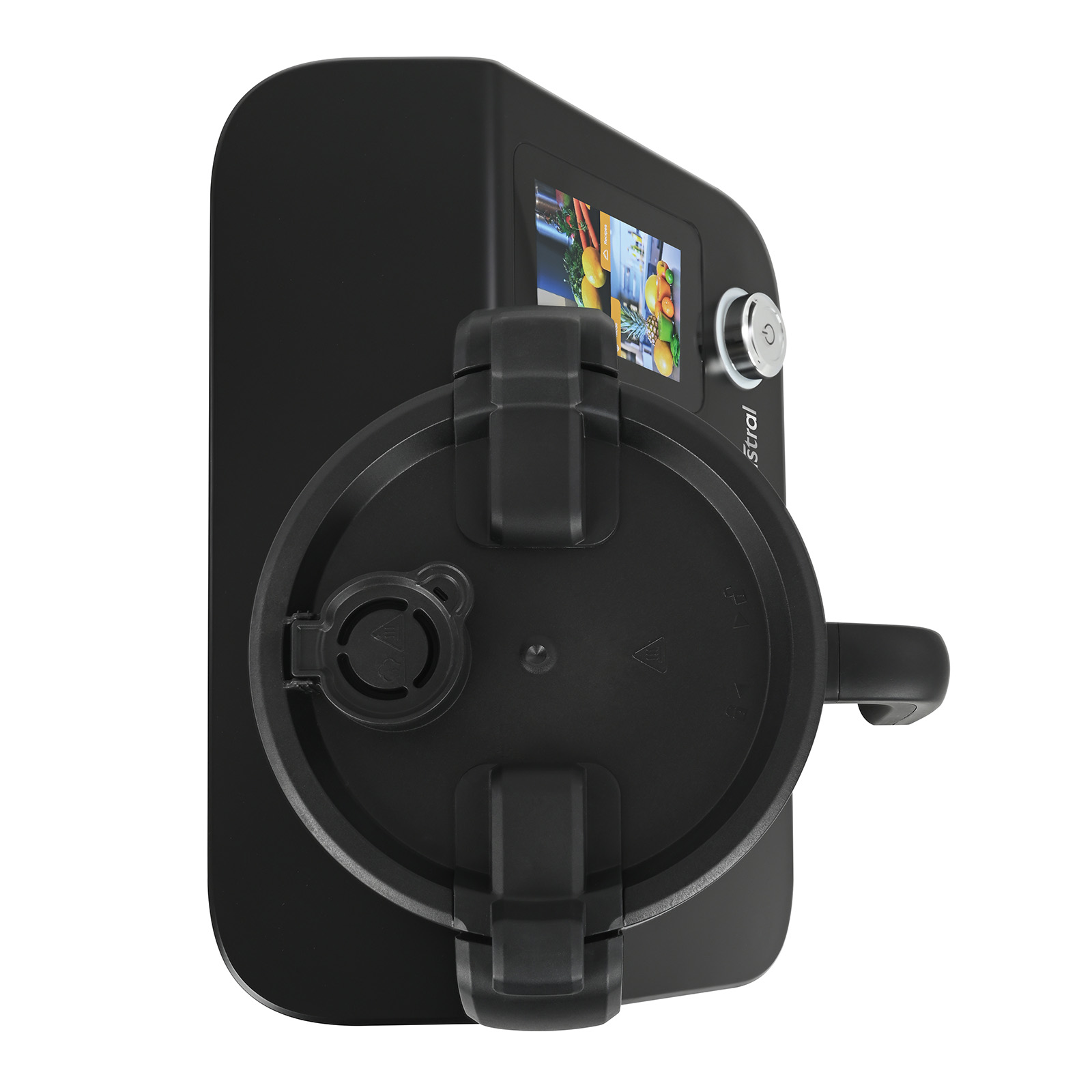
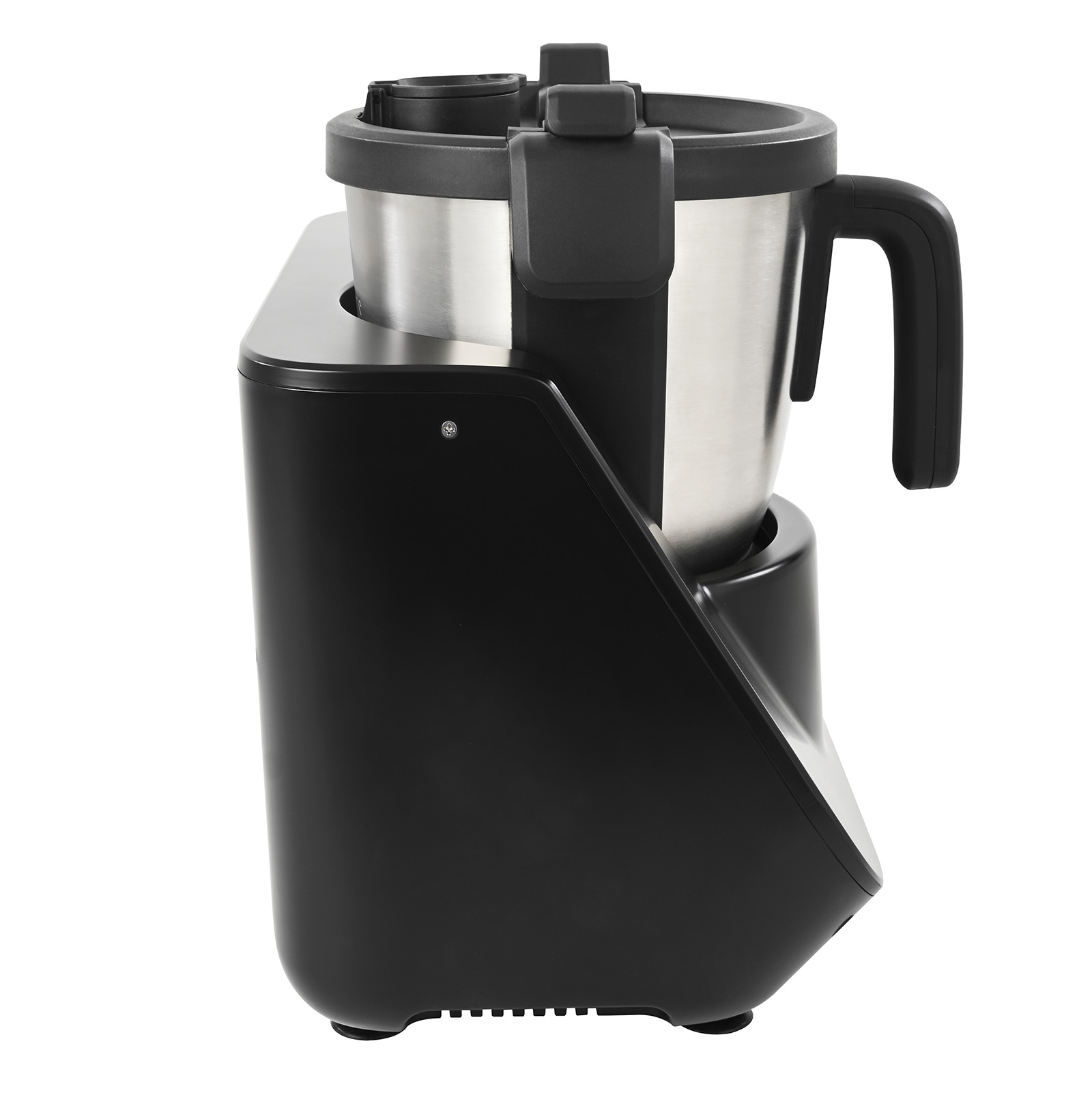
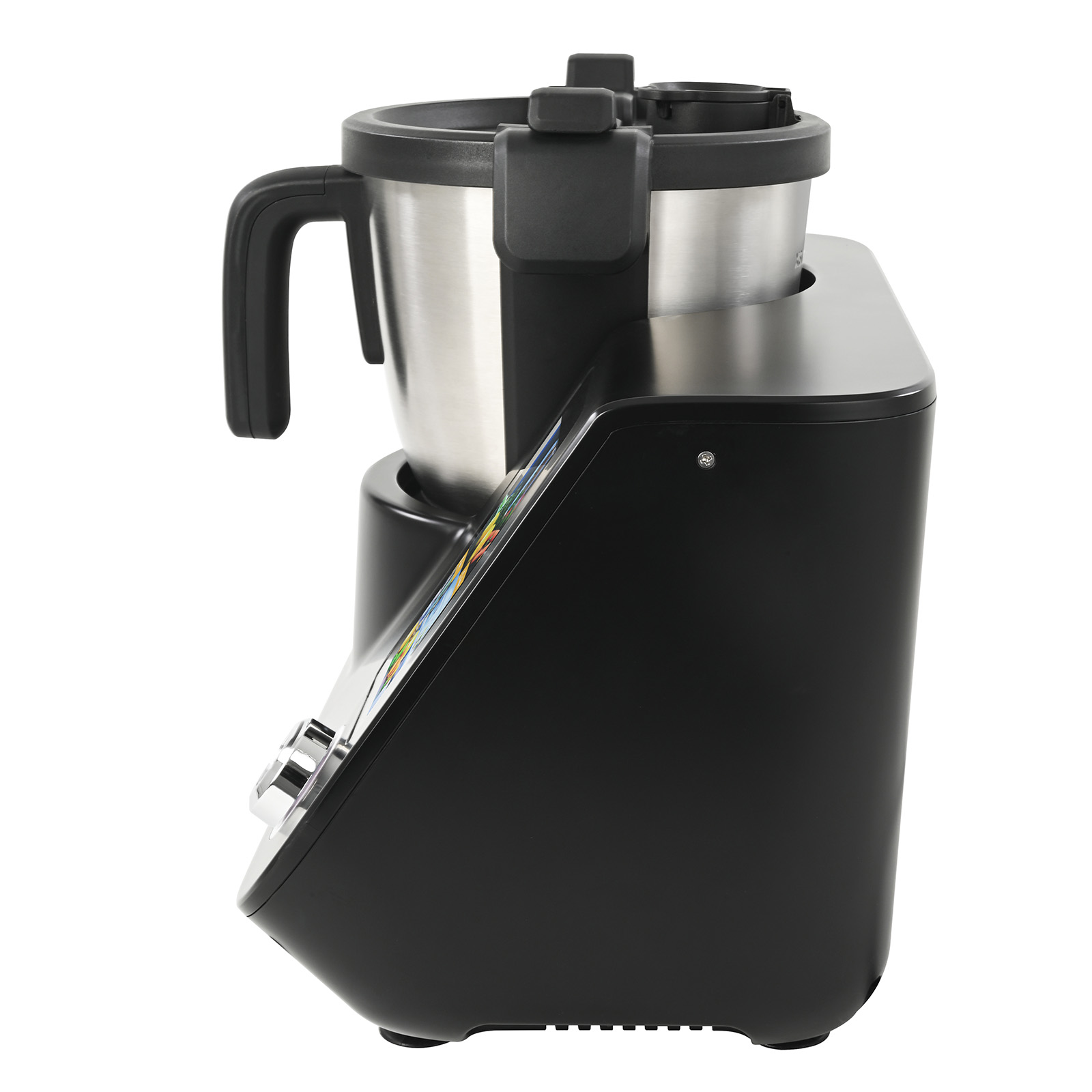
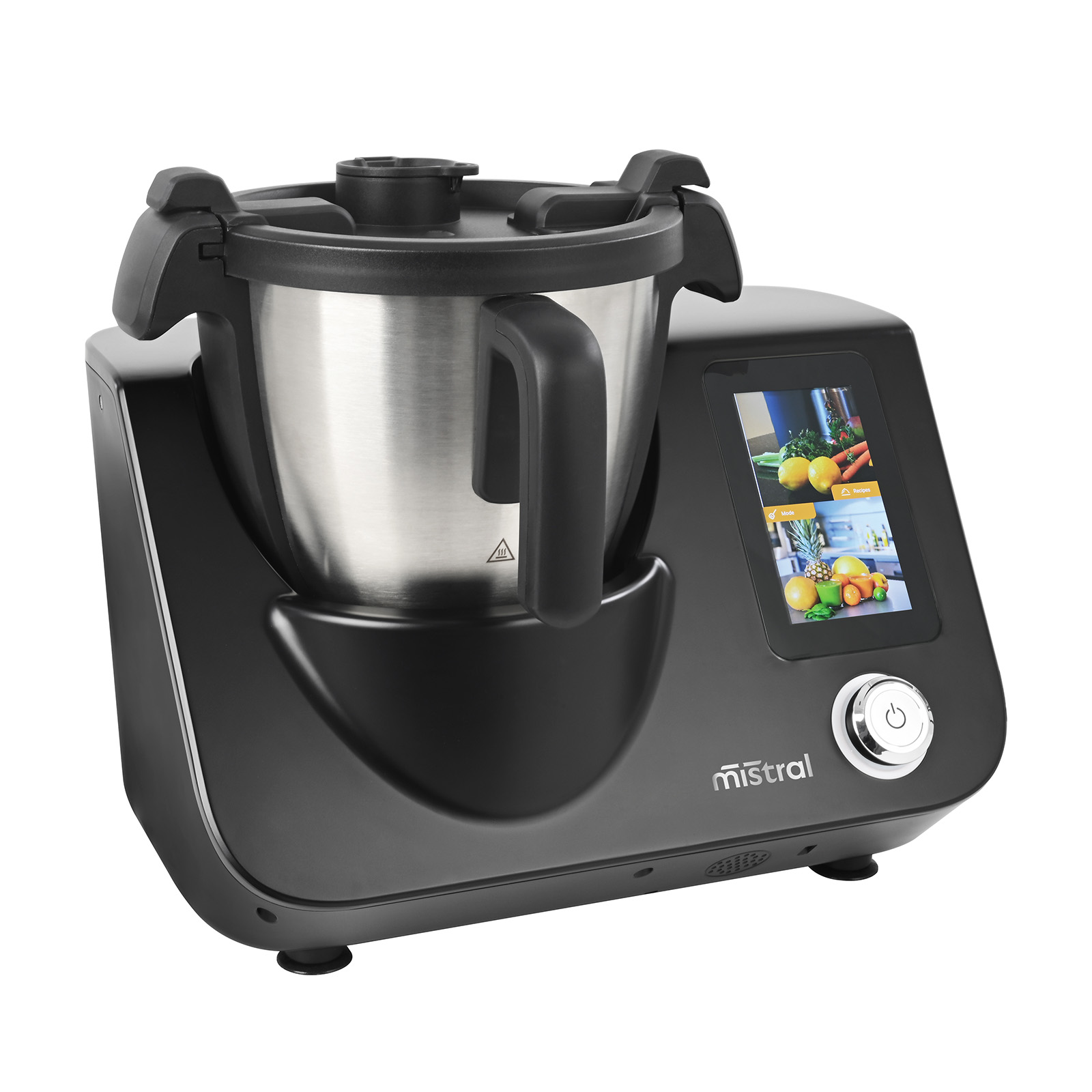
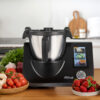
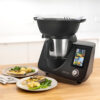
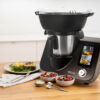
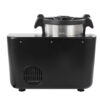
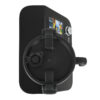
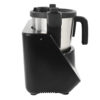
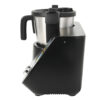
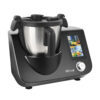
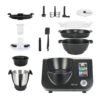
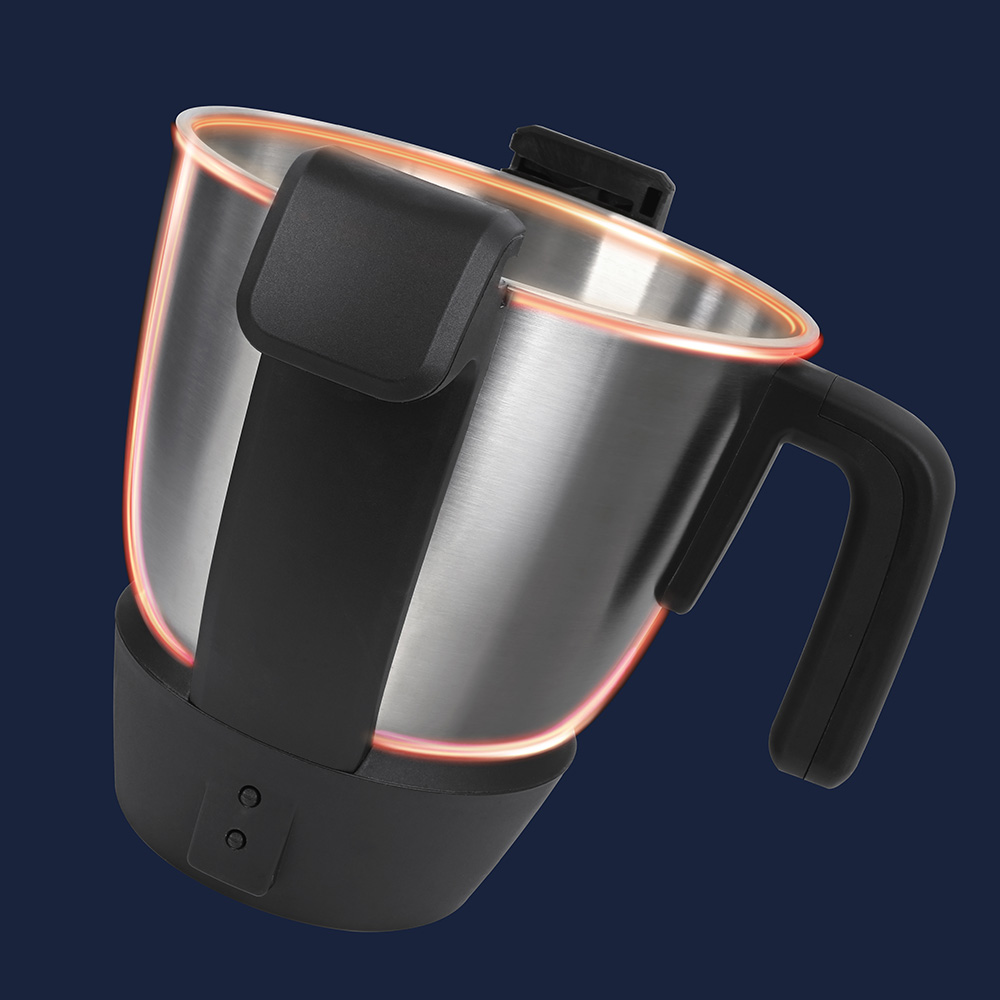
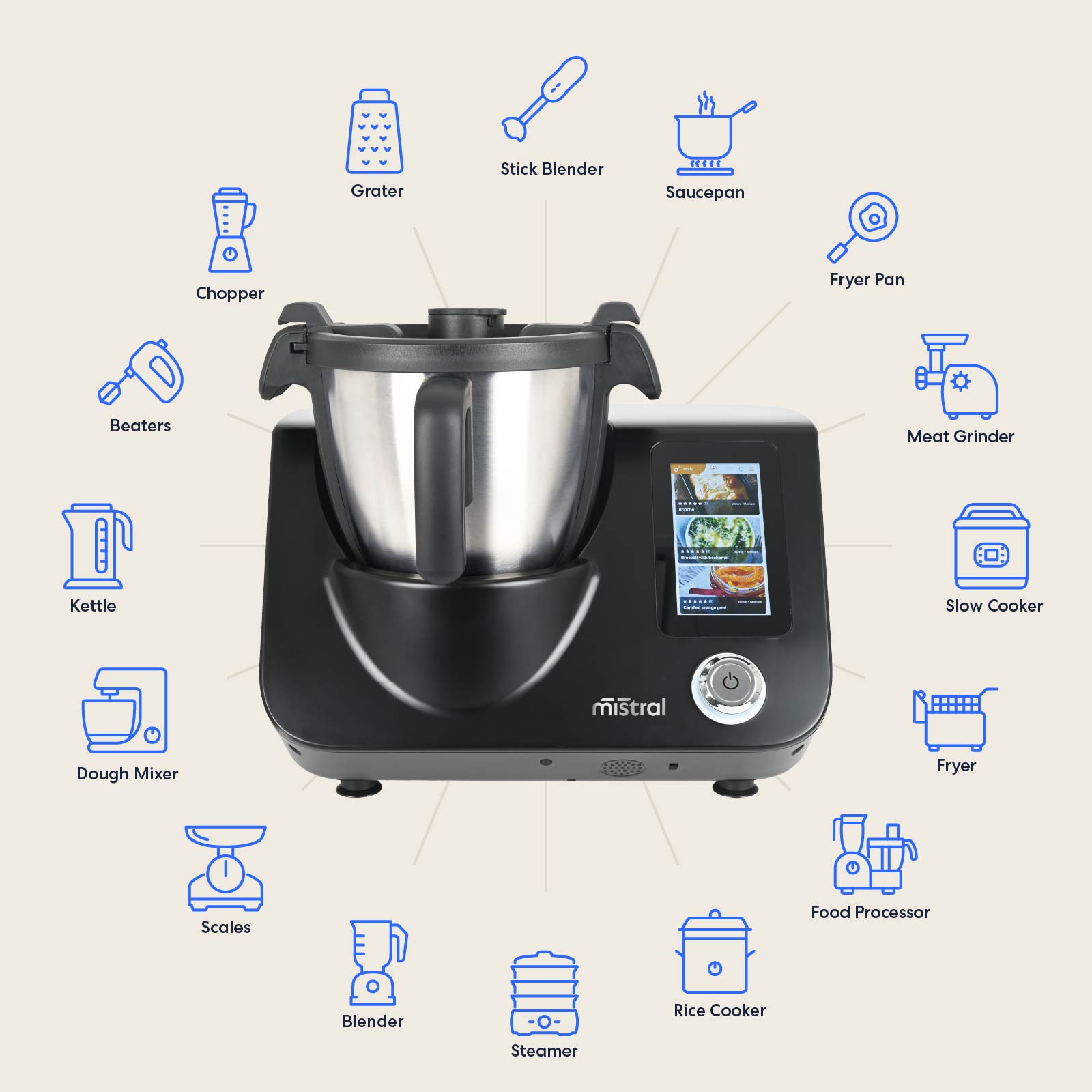
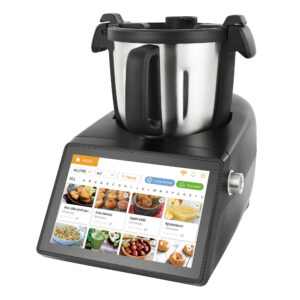
The Smart Kitchen Machine is designed as an all‑in‑one kitchen assistant that mixes, heats, weighs, and cooks. Key hardware elements are a robust motor capable of mixing and kneading, a heated base that supports sauté/steam/simmer functions, a stainless steel bowl with a practical working capacity (typically around 3 litres), and a high‑resolution touchscreen that walks you through preloaded recipes and programmable sequences. The integrated weighing scale lets you measure ingredients directly into the bowl, cutting down on extra dishes and improving recipe accuracy. Automatic programs (knead, mix, steam, slow cook, blend, sauté, weigh, and multi‑stage sequences) combine motor speed, heating profile, and time into single selections for repeatable results; manual mode lets experienced cooks fine‑tune speed, temperature, and timing.
Smart features often include Wi‑Fi or Bluetooth for firmware updates and downloadable recipes, plus safety systems such as lid interlocks, thermal cut‑outs, and motor overload protection. Build quality focuses on kitchen durability with features such as a stainless steel bowl, dishwasher‑safe attachments, and replaceable seals. The Smart Kitchen Machine aims to replace a food‑processor, scale, slow cooker, and basic cooker for households that want consolidated capability and automation rather than a single specialised commercial machine. Its strength is repeatability and convenience for meal prep, baking, and multi‑step recipes where the machine handles transitions (for example, sauté then simmer) without manual intervention. For best results, follow the manufacturer’s working‑volume limits, duty‑cycle guidance, and recommended attachments to balance performance and longevity.










Reviews
There are no reviews yet.