FREE SHIPPING FOR ORDERS OVER $99 (EXCLUDING BULKY ITEMS)

Air Fryers

Explore our wide range of products

What kinds of meals and batch‑cooking strategies work best with the Mistral 10.3L?

The 10.3L’s strength is volume, ideal for family dinners, entertaining, and batch preparation. Great use cases include whole roast chicken halves or two smaller chickens, large trays of oven chips or root vegetables, and batch‑cooked frozen snacks for parties. For mixed meals (protein plus sides), use a two‑stage strategy: cook the item that takes the most time or requires higher heat first, and hold it warm while finishing the quicker items, or use multi‑tier racks to cook similar items across levels while monitoring for evenness. For meal prep, roast a large tray of vegetables at mid‑high heat and sear proteins separately on higher heat, then combine for lunch. When serving, plan to plate larger, denser items first, since they retain heat better; lighter, crunchier snacks can be served last for the best texture. Use ambient rest times to allow carryover cooking for thicker cuts and invest in a probe for precise doneness when cooking meat in bulk. Keep a short reference card with three favourite batch recipes and their proven time/temp/load notes beside the unit. This turns experimentation into repeatable household routines and maximises the value of the larger capacity.

How should I use the 10.3L capacity effectively without losing crispness?

Regular cleaning prevents odours, smoke and performance degradation. Always allow the fryer to cool completely and unplug it before servicing. Remove the basket and tray and wash them in warm soapy water; if labelled dishwasher‑safe, place them on the top rack. For sticky or caked-on residues, soak the tray and basket for 15–30 minutes before scrubbing with a soft sponge. The main housing contains the fan and heating element, which is not to be submerged. Wipe the interior with a damp cloth and use a soft brush to remove crumbs from the heating element; for stubborn grease, use a mild detergent on the cloth, but avoid abrasive cleaners that can damage coatings. For stainless steel exteriors, use a non‑abrasive stainless cleaner and a soft cloth to avoid scratches and maintain the finish. Inspect the rubber feet and ventilation slots periodically to ensure they are clear of debris. If you won’t use the fryer for an extended period, store it clean and dry with the basket removed to avoid trapped moisture and lingering odours; keep the cord loosely coiled but not bent sharply. Replace worn non‑stick baskets or seals where available to maintain safe, efficient operation.

How do I adapt recipes and cooking times for this model?

Recipes written for smaller air fryers or conventional ovens are a starting point. Because the Mistral 10.3L has a larger cooking volume and differing airflow dynamics, apply practical conversion rules: when increasing quantity without changing the basket layout, add roughly 10–25% more cooking time depending on mass and density; frozen or layered foods tend toward the higher end of that range. For large single items, lower the temperature by 5–10°C and extend the time to ensure even internal cooking without overbrowning the exterior. For delicate proteins like fish fillets or thin chicken cutlets, reduce the time marginally and lower the temperature to avoid drying. Oil application affects crisping, with a light, even spray or tossing pieces in no more than 1–2 tsp oil per 500 g to promote browning while avoiding smoke. Use the flip reminder and manual pauses to turn or rotate items; for items you can probe, insert a probe near the thickest point and remove it when the target internal temperature is reached. For baking tasks, start with recommended oven temperatures, then drop by 15–20°C and lengthen bake time; monitor the first bake to refine timing. Keep a simple log beside the unit for three to five favourite recipes, noting exact load and temp. This personal reference will accelerate consistent outcomes for this specific model.

Additionally, ovens offer consistent, even heating throughout the entire space, which may allow for a more consistent quality cook. In comparison foods cooked with an air fryer may require frequent monitoring as there is only one main top heat source.

An air fryer provides the benefits of commendable results while valuing convenience and low effort, while ovens are much beneficial for individuals seeking a higher quality result while sacrificing time and requiring higher skill.

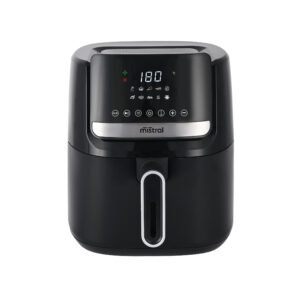
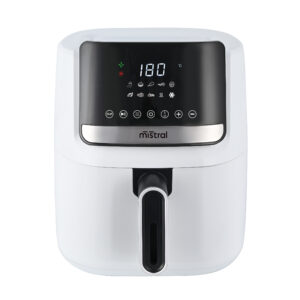
What are the key features of the Mistral 10.3L Stainless Steel Digital Air Fryer?

The Mistral 10.3L combines high capacity with a digital user interface to handle family-sized meals. The 10.3‑litre cooking chamber lets you cook larger items or multiple portions in a single cycle, reducing the need for batch cooking and saving time and energy versus repeated small cycles. The stainless steel housing enhances durability and features a kitchen-friendly finish that resists staining and light scratching when properly maintained. The LED touch controls provide one‑tap access to 12 presets (typical presets cover fries, chicken, fish, roast, bake, dehydrate, reheat and similar tasks) so novice users can start a cook quickly while advanced users can dial exact times and temps in manual mode. Temperature control spans 80°C to 200°C to support gentle dehydration through to high‑heat crisping, and the 60‑minute timer covers most domestic recipes; the flip reminder prompts you mid‑cycle to turn or shake the basket for more even results in a large chamber where airflow can vary. Removable basket and tray components mean straightforward cleaning and dishwasher compatibility when the manual permits it. Internally, the unit prioritises rapid hot‑air circulation via a high‑speed fan and an exposed heating element above the basket; this configuration maximises browning but requires attention to basket loading to preserve airflow. Overall, the feature set targets households that want capacity and programmability without adding commercial-grade size or complexity. Additionally, ovens offer consistent, even heating throughout the entire space, which may allow for a more consistent quality cook. In comparison foods cooked with an air fryer may require frequent monitoring as there is only one main top heat source. An air fryer provides the benefits of commendable results while valuing convenience and low effort, while ovens are much beneficial for individuals seeking a higher quality result while sacrificing time and requiring higher skill.