
FREE SHIPPING FOR ORDERS OVER $99 (EXCLUDING BULKY ITEMS)
Explore our wide range of products

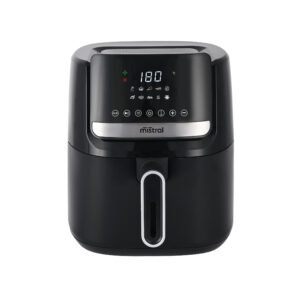
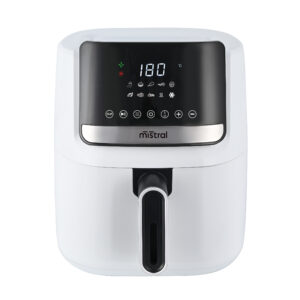
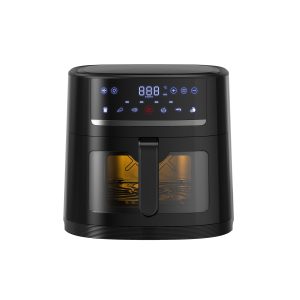
Recipes written for smaller air fryers or conventional ovens are a starting point. Because the Mistral 10.3L has a larger cooking volume and differing airflow dynamics, apply practical conversion rules: when increasing quantity without changing the basket layout, add roughly 10–25% more cooking time depending on mass and density; frozen or layered foods tend toward the higher end of that range. For large single items, lower the temperature by 5–10°C and extend the time to ensure even internal cooking without overbrowning the exterior. For delicate proteins like fish fillets or thin chicken cutlets, reduce the time marginally and lower the temperature to avoid drying. Oil application affects crisping, with a light, even spray or tossing pieces in no more than 1–2 tsp oil per 500 g to promote browning while avoiding smoke. Use the flip reminder and manual pauses to turn or rotate items; for items you can probe, insert a probe near the thickest point and remove it when the target internal temperature is reached. For baking tasks, start with recommended oven temperatures, then drop by 15–20°C and lengthen bake time; monitor the first bake to refine timing. Keep a simple log beside the unit for three to five favourite recipes, noting exact load and temp. This personal reference will accelerate consistent outcomes for this specific model.
Additionally, ovens offer consistent, even heating throughout the entire space, which may allow for a more consistent quality cook. In comparison foods cooked with an air fryer may require frequent monitoring as there is only one main top heat source.
An air fryer provides the benefits of commendable results while valuing convenience and low effort, while ovens are much beneficial for individuals seeking a higher quality result while sacrificing time and requiring higher skill.